
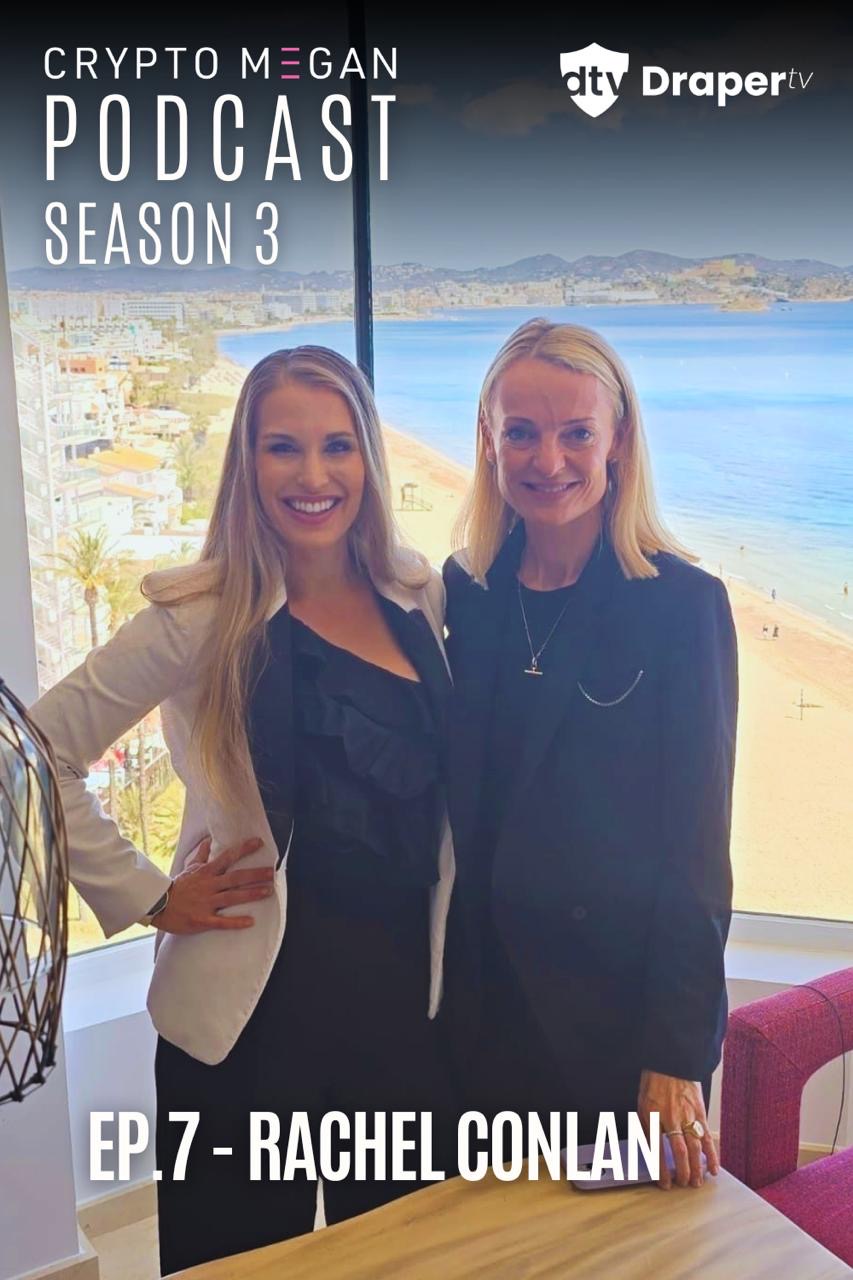
Filmed at Ibiza Tech Forum in April 2025, Crypto Megan sits down with Binance CMO Rachel Conlan for a powerful conversation on stepping outside your comfort zone, building one of the world’s most recognizable crypto brands, and why crypto is still far earlier than most people think. Rachel shares how Binance moves at the speed of sport and why crypto fans and sports fans have more in common than you’d expect: passion, loyalty, community, and 24/7 energy. They also dive into institutional adoption, regulation, inclusivity, real world utility, and what it will take to bring the next billion users into crypto.
Video Tag: Web3
Building Trust at Scale: The Zyphe Identity Revolution
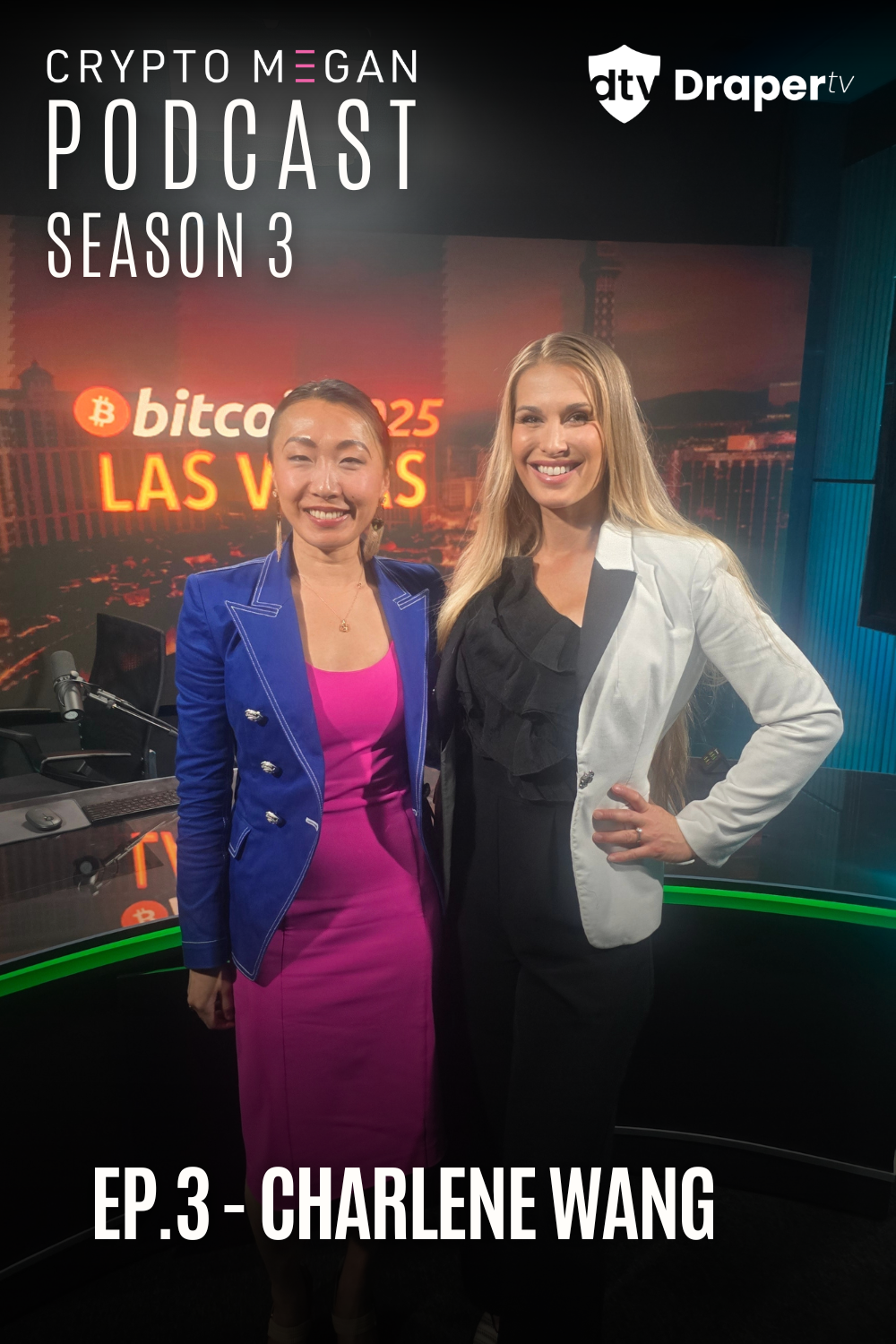
In this episode with Zyphe Co-Founder, Charlene Wang, we explore how Zyphe is solving one of Web3’s most urgent and costly problems: identity. With data breaches costing companies $5 million on average — including high-profile cases like the Coinbase leak — Zyphe offers a decentralized, privacy-first alternative to outdated KYC systems. Through reusable, user-controlled identity vaults, Zyphe enables one-click onboarding with zero centralized storage — and full compliance. This isn’t just about preventing the next breach. It’s about building the foundational infrastructure for a safer, more scalable Web3.
AI, Link Rot, and Decentralized Storage w/ Clara Tsao (Filecoin Foundation)
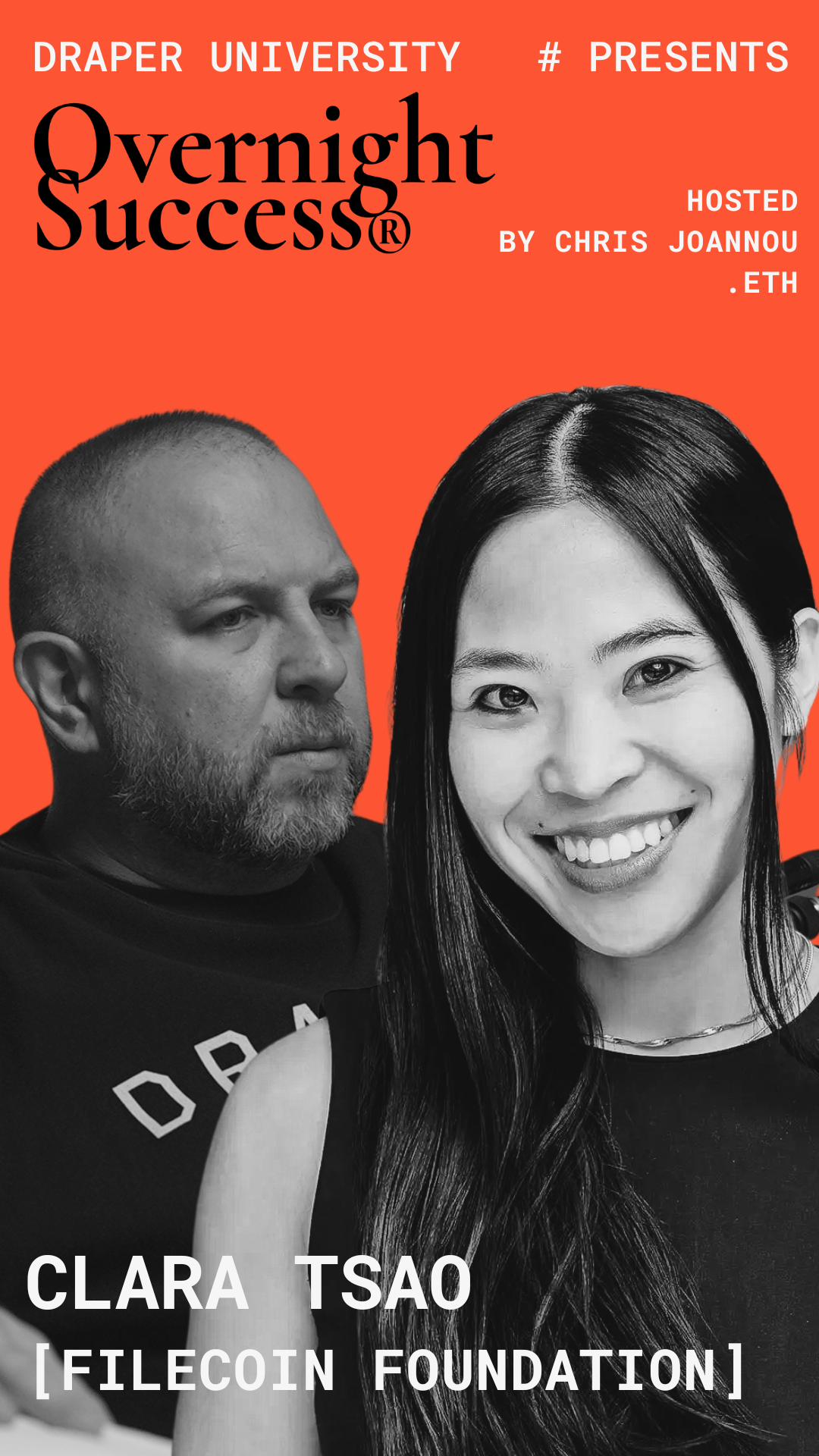
Host Chris Joannou sits down with Clara Tsao—entrepreneur, former DHS CTO, and Filecoin Foundation co-founder—for a compelling conversation on data privacy, decentralization, and tech policy. From centralized risks to decentralized promise, Clara explores how Web3 empowers users and challenges Big Tech. A must-watch for crypto fans, privacy advocates, and future-focused builders.
7/14/25: Solo – Draper Decentralized
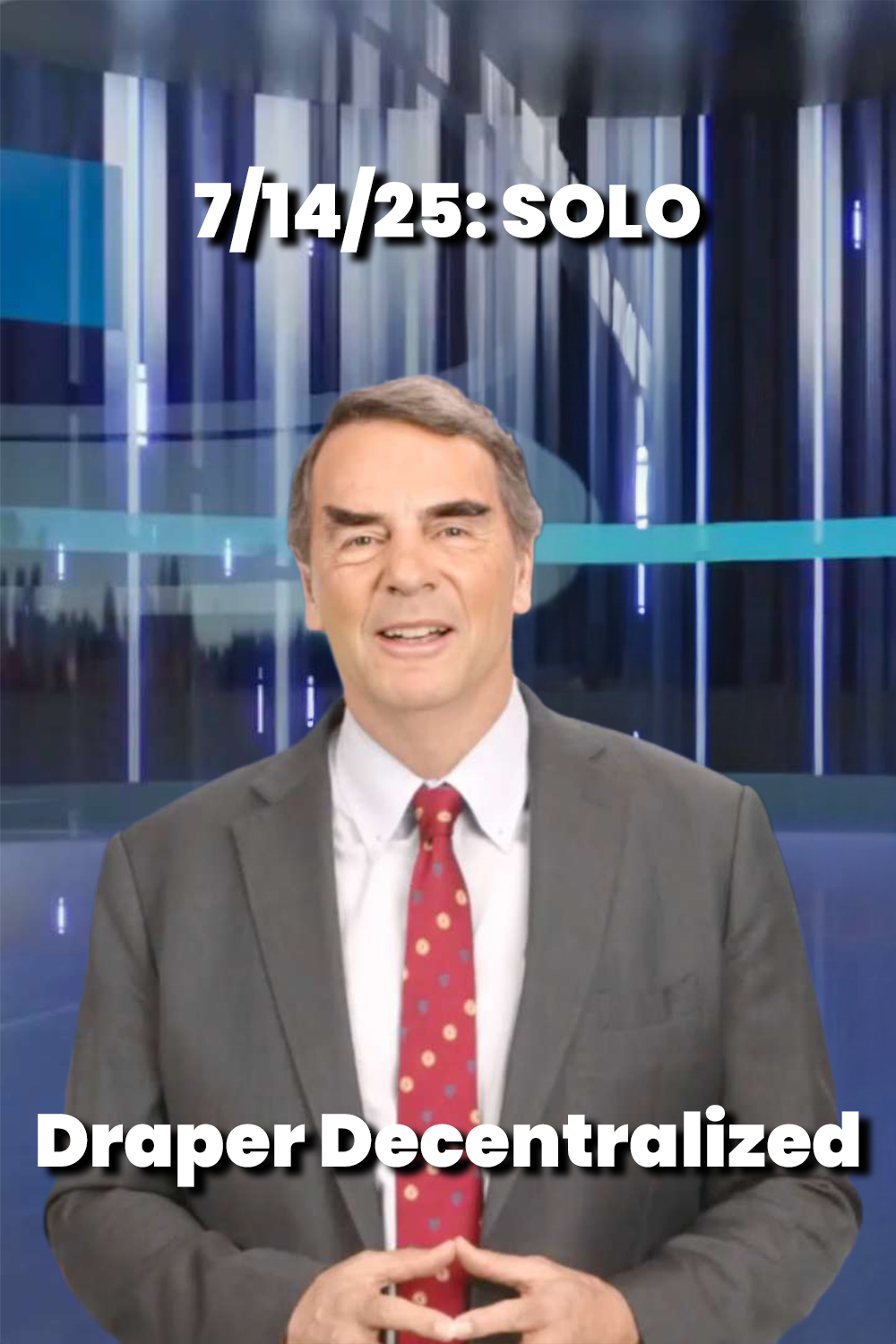
Solo Raises $1.2M to Build Decentralized Proof-of-Humanity Infrastructure
Turning Ideas Into New Realities
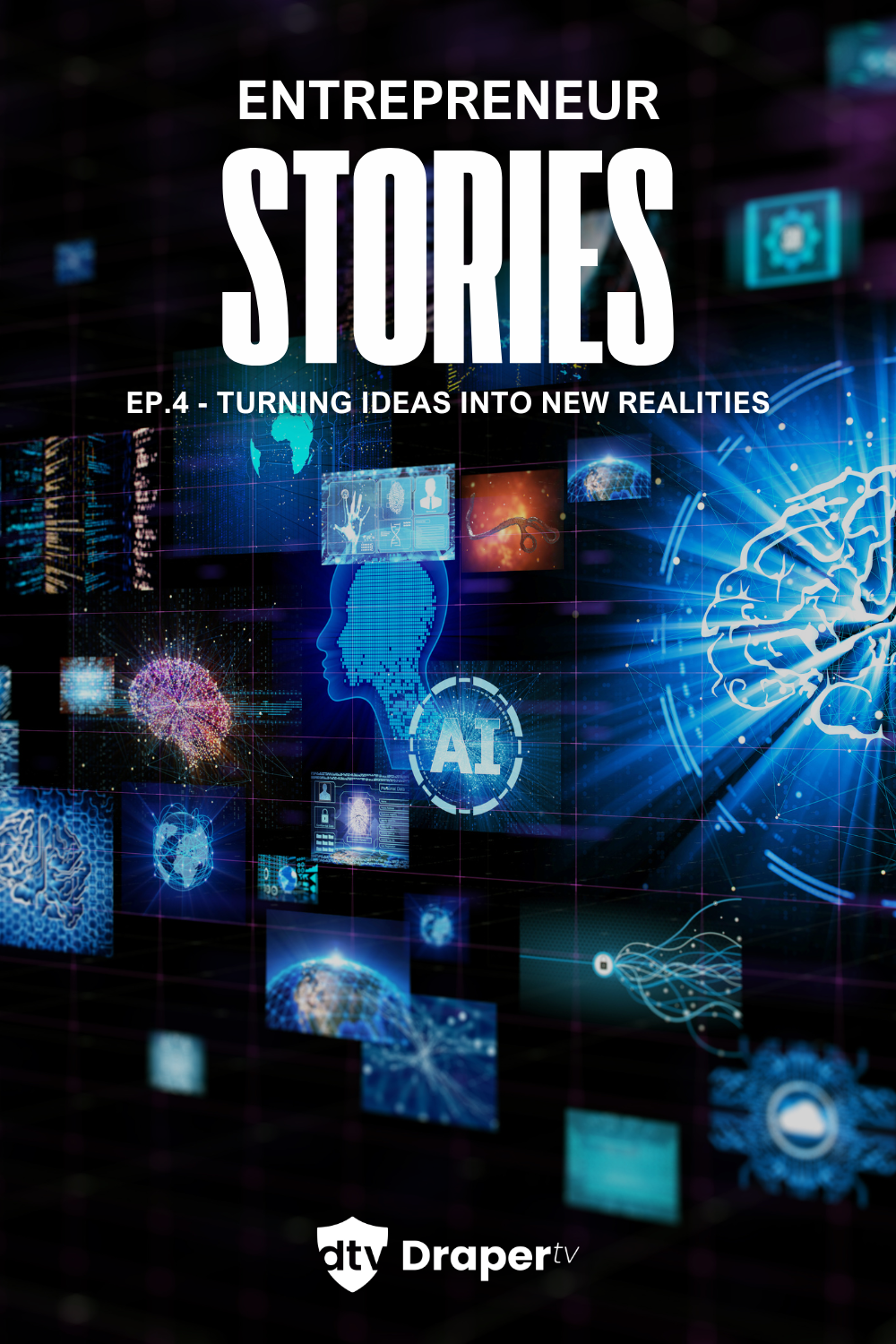
Alexey Shegay, Kazuya Saginawa, Alexandre Roubaud, and Matt Harris are visionaries redefining the digital space with their incredible ventures. With ventures like IDOS Games, BitGrit, Bit Stack, and Arcatar, they blend imagination with innovation to create immersive platforms. These aren’t just products—they’re dynamic experiences that connect people, spark creativity, and reshape how we engage with media and technology.
Charles Hoskinson: The $10 Trillion Bitcoin DeFi Revolution

In this powerful episode, Cardano founder Charles Hoskinson unveils how unlocking DeFi for Bitcoin could ignite a $10 trillion economic transformation by 2030. He breask down how Cardano empowers Bitcoin to earn, scale, and operate trustlessly – without sacrificing its core principles.
Hoskinson dives deep into the philosophy of decentralization, sharing the foundational beliefs that fuel his mission: financial freedom, global equity, and system-wide trust. He speaks from the heart about why we fight – not just for innovation, but for a better, freer world.
He also shares a raw, unforgettable story from the Amazon, where he endured the infamous bullet ant ritual – a brutal rite of passage that symbolizes the courage to step into the dragon’s den. For Hoskinson, it’s a metaphor for life, leadership, and blockchain: growth only comes when we dare to leave our comfort zones.
7/3/25: Unstoppable Domains – Draper Decentralized
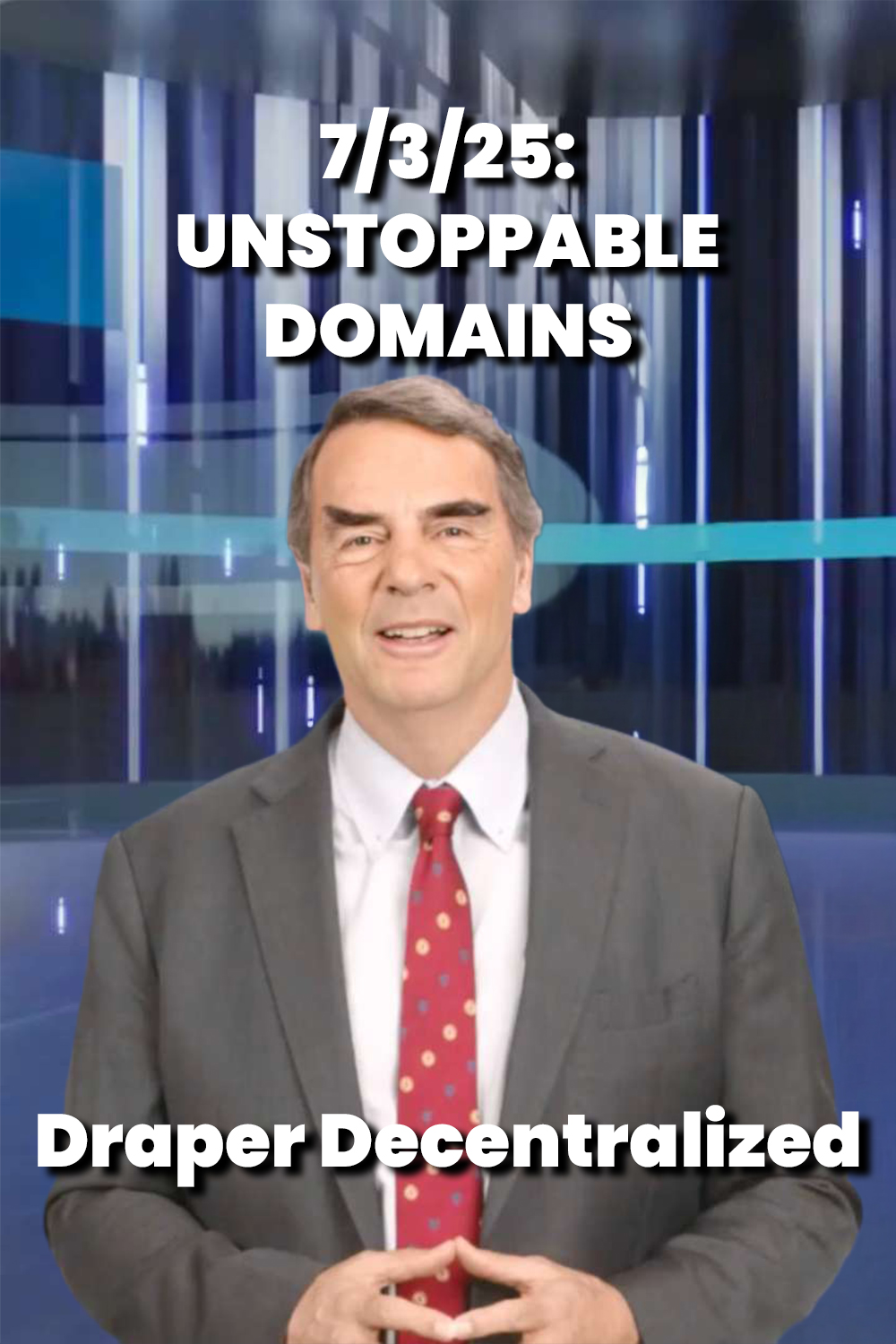
Tim Draper’s Digital Twin speaks about how Unstoppable Domains launches .OHM with Olympus to power onchain identity
6/30/25: Torram – Draper Decentralized
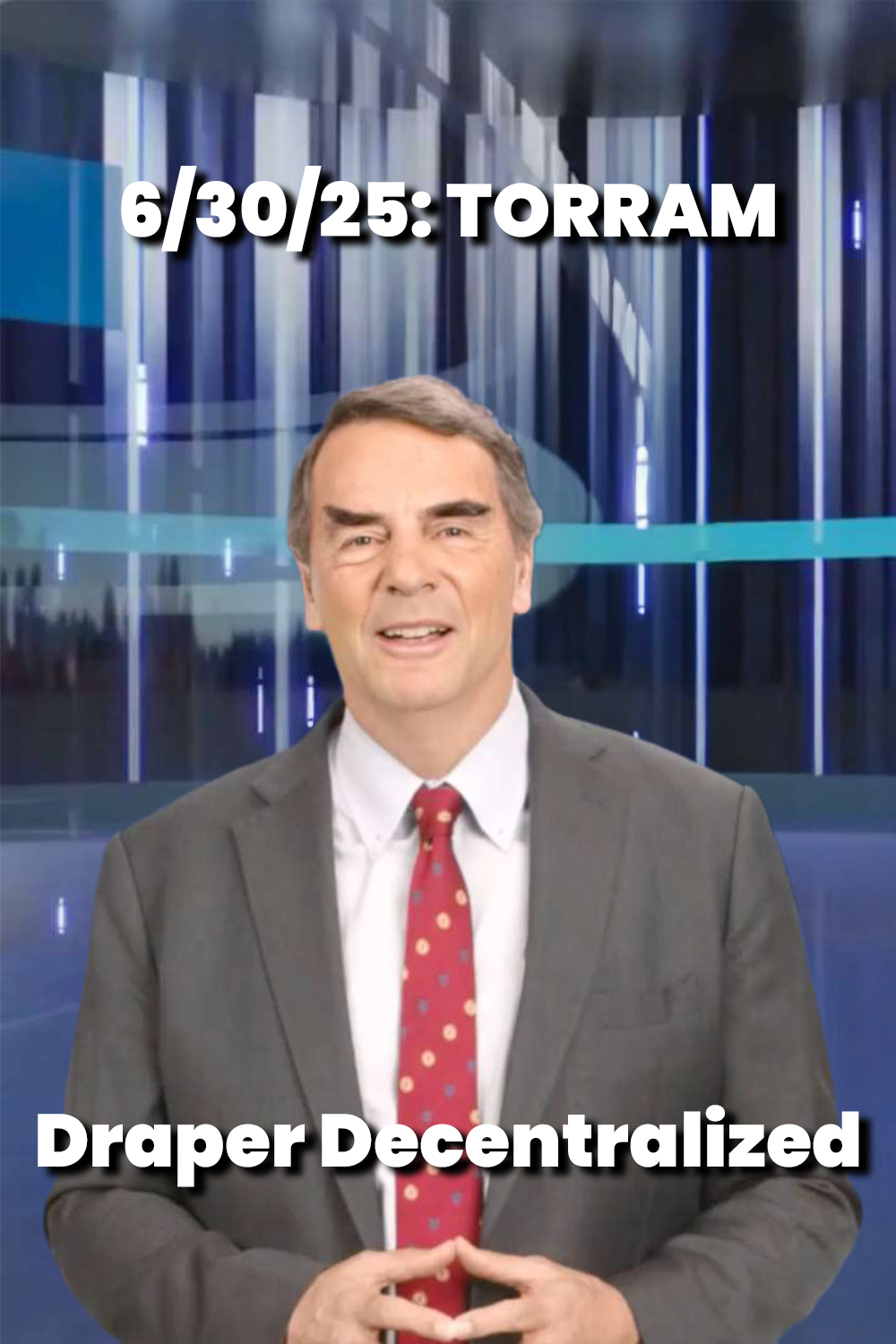
Tim Draper’s Digital Twin speaks about how Torram Launches a 1M Token Developer Challenge to Build DeFi Directly on Bitcoin.
Is Canada Doomed? Kevin O’Leary on Politics, Bitcoin, and a $200k BTC Future
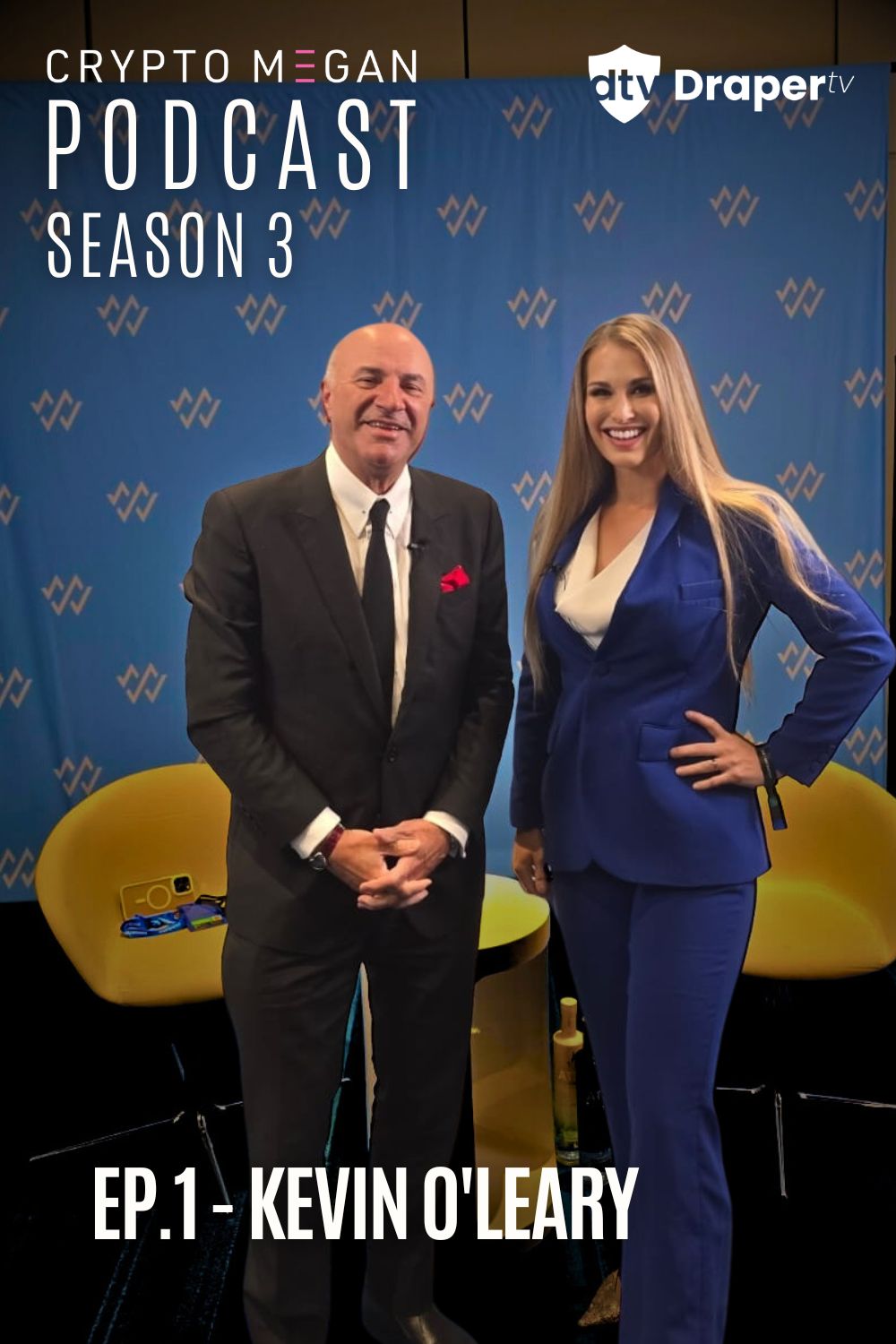
Is Canada doomed? Kevin O’Leary goes unfiltered on Trudeau, Trump, crypto, and a $200k Bitcoin. From the WonderFi-Robinhood deal to stablecoins and Canada-U.S. superpower talk – this episode pulls no punches.
06/05/25: Naoris – Draper Decentralized
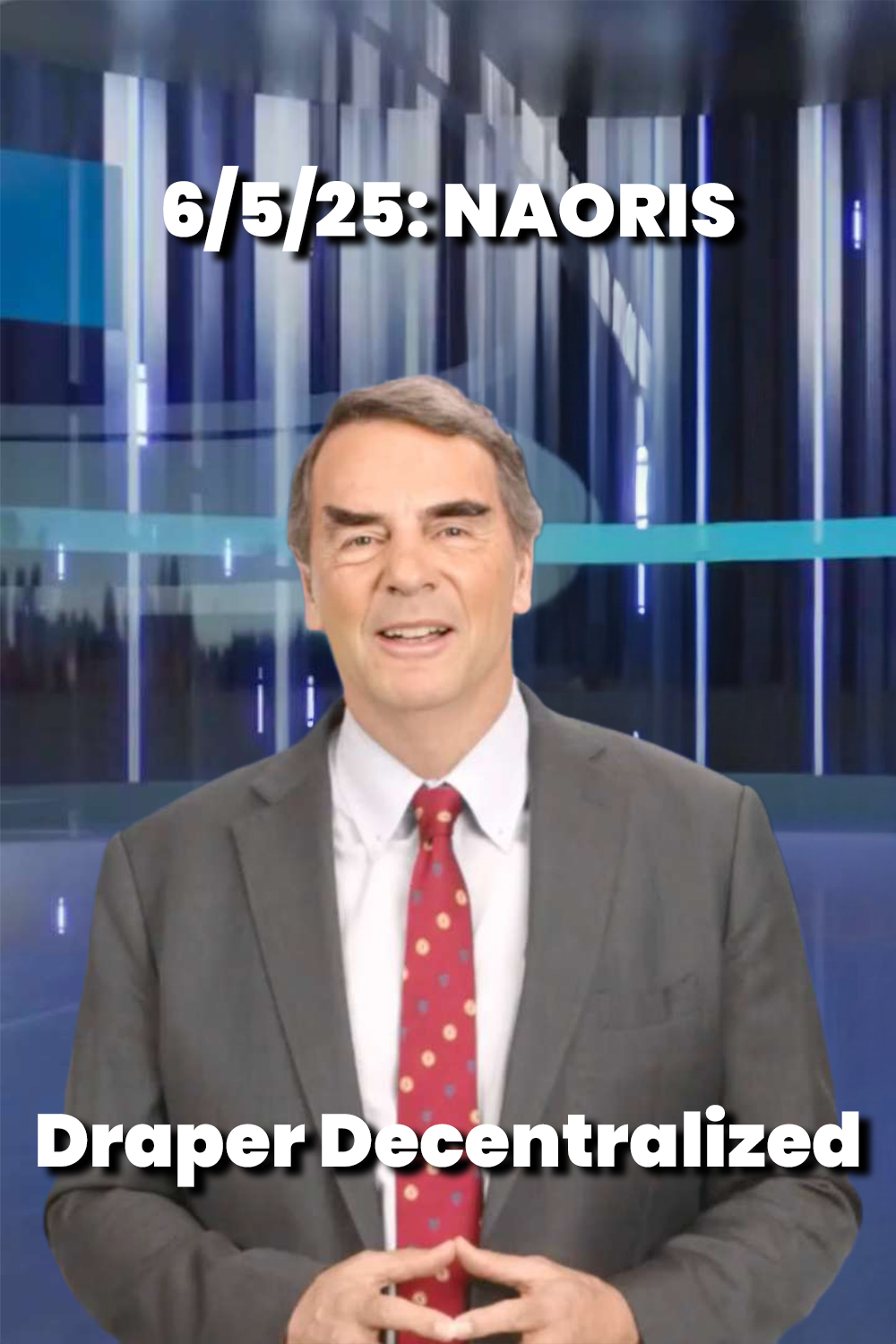
Tim Draper’s Digital Twin explains how Naoris Protocol raises a $3M strategic round and opens a new institutional raise to meet demand.